Welcome to Dukal Technologies. Your Trusted Professional Placement Partners of Choice.

Artificial Intelligence (AI) is a rapidly growing field that has the potential to transform many industries and have a significant impact on our daily lives. AI refers to the development of computer systems that can perform tasks that would normally require human intelligence, such as speech recognition, decision making, and problem solving. AI systems are trained using large amounts of data and algorithms, and can continuously improve their performance over time.
Unlock limitless potential with AI – automate tedious tasks, increase efficiency and drive growth– AI
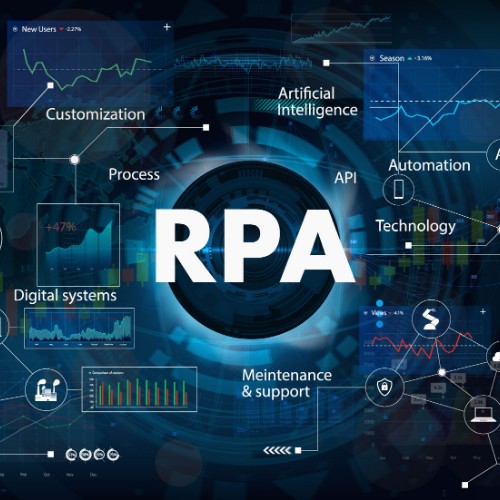
Robotic Process Automation (RPA) is a subset of AI that focuses on automating repetitive, manual tasks typically performed by humans. This can include tasks such as data entry, invoicing, and customer service. RPA can significantly increase efficiency and productivity, as well as reduce the risk of errors and manual processes. It also frees up human employees to focus on higher-value tasks, such as strategic thinking and problem-solving. RPA can be integrated into existing systems and workflows, making it a cost-effective and low-risk way for organizations to improve their operations and gain a competitive advantage.
Our consultants also have a strong understanding of the industry and business context in which they are operating, as well as an understanding of the latest technological advancements and trends in AI and RPA.
They possess the following core skills that allow them to successfully implement AI and RPA solutions: